
When preparing a boat for winter storage, engines, batteries and water systems tend to get most of the attention. But your boat canvas needs preparing for the months ahead too.
Dirt, salt and organic contamination left on marine fabric can hold moisture, while prolonged damp creates ideal conditions for mould and mildew. Add weakened stitching, tired waterproofing or a small tear left unattended, and you may uncover a much bigger job in spring.
A proper end-of-season routine protects your canvas through winter, extends its working life and means one less job when you're ready to get back on the water.

What boat canvas should you remove for winter?
Not everything should be treated in the same way.
For a long winter lay-up, removable summer canvas such as bimini tops, sprayhoods, dodgers, cockpit enclosures and sail covers should generally be removed. Leaving them rigged unnecessarily exposes the fabric, stitching, windows and fittings to months of winter weather.
Sails should also normally be removed for long-term winter storage, including roller-furling sails. Follow the sail manufacturer's care instructions, make sure they are completely dry and store them somewhere clean, dry and well ventilated.
A purpose-made winter or storage cover is different. It's designed to remain on the boat and provide protection through the winter. It should be clean and in good condition before use, properly supported so rainwater or snow cannot collect, securely fastened and sufficiently ventilated to prevent condensation and trapped moisture.
Whether your canvas is coming off or staying on, autumn is the time to give it some attention...
1. Inspect before you store
Once the canvas is removed or fully accessible, inspect it carefully.
Look for loose or deteriorating stitching, worn seams, small tears, chafed areas and damage around attachment points. Check zips, press studs, fasteners, tension straps and supporting frames too.
⚠️ Don't assume a small problem can wait until spring. Months of storage won't repair a weakening seam, and winter weather can turn minor damage on a cover left in place into something considerably worse.
Arrange any necessary repairs before the canvas is packed away or put back into service as a winter cover.
2. Never store dirty canvas
A summer's worth of salt, dirt, bird droppings, tree sap and organic contamination shouldn't go into storage with the fabric. Apart from staining the material, contamination can retain moisture and encourage mould and mildew.
Brush away loose debris before thoroughly cleaning the fabric with Renovo Boat Canvas Cleaner. Developed specifically for marine canvas, it removes dirt and organic contamination and provides the clean surface needed before recolouring or reproofing.

⚠️ Avoid pressure washing or aggressive scrubbing, which can damage the fabric, coatings and stitching.
Once cleaned and thoroughly rinsed, allow the canvas to dry completely. Never fold, pack away or protect canvas while it is still damp.
3. Restore faded colour – if it needs it
Recolouring isn't an essential part of winter storage, but if your canvas has faded over the boating season, this is the perfect opportunity to restore it.
The canvas is already off the boat, thoroughly clean and being prepared for protection, so restoring the colour now means it can be put away looking its best rather than adding another job to your spring preparation list.
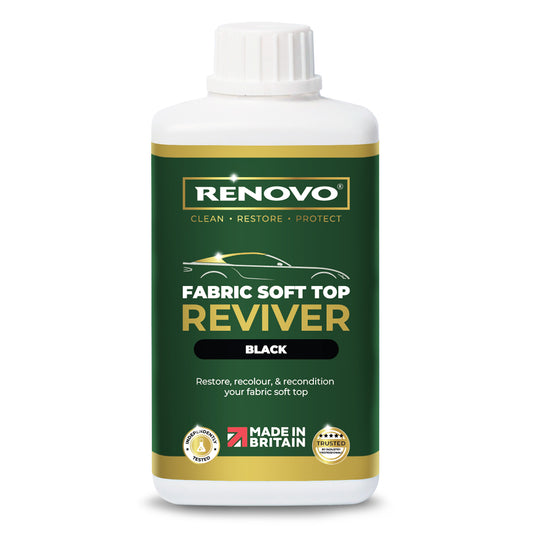
Renovo Boat Canvas Reviver restores colour to faded marine canvas while retaining the natural look and feel of the fabric.

If the colour is still in good condition, simply skip this stage and move on to protection.
4. Reproof before winter
This is one of the most important – and most frequently overlooked – stages of preparing marine canvas for winter.
Waterproofing treatments don't last indefinitely. After a season exposed to sunlight, salt, rain and regular use, water repellency can become less effective.
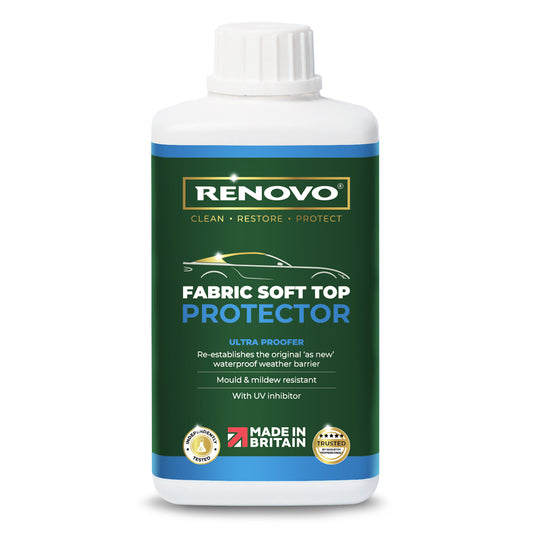
Once the canvas is completely clean – and recoloured if necessary – apply Renovo Boat Canvas Protector to restore water and stain repellency and provide additional protection against UV, mould and mildew.

This is particularly important for winter covers that will remain exposed for the months ahead, but removable canvas benefits too. It means the fabric goes into storage clean, restored and protected, ready for the next season.
Always allow each Renovo treatment to dry fully before moving on to the next stage, and follow the application instructions for suitable temperature and weather conditions.
Clean. Restore if required. Protect. Then store.
5. Don't overlook clear plastic windows
Clear plastic windows are part of many sprayhoods and cockpit enclosures, so this is a good opportunity to care for them too.
Clean and inspect both sides before storage. If the plastic has become hazy, yellowed or lightly scratched during the season, Renovo Plastic Window Cleaner can be used to remove embedded contamination and fine scratches, restoring transparency and improving visibility.

Apply with a soft cloth using light, circular movements, allow to dry and buff to a clear, streak-free finish. For best results, treat both sides.
When storing the canvas, avoid sharp folds or creases in clear plastic windows and don't allow the surfaces to rub against one another. Where possible, store them flat or roll them carefully with clean protective material between clear panels.

6. Store removable canvas properly
Only put canvas away when it is completely dry.
Choose a clean, dry, well-ventilated storage area rather than leaving it bundled inside a damp locker or compartment onboard.
Avoid placing heavy objects on top of stored canvas or packing it so tightly that permanent creases are created. The aim is simple: keep it clean, dry, ventilated and protected until it's time to refit it.

And don't forget your ropes
Canvas isn't the only fabric worth preparing before winter.
Ropes accumulate salt and dirt throughout the boating season and should be cleaned and thoroughly dried before storage too. Coiled ropes can also provide an attractive nesting place for small animals.
Renovo Marine Rope Cleaner cleans deep into the fibres while providing UV protection and a built-in rodent inhibitor to help discourage rodents during storage.

For the complete process, read our guide to preparing your ropes for winter storage.
Protect now, enjoy later
Proper winter canvas care isn't complicated, but overlooking it can leave you dealing with mould, staining, faded fabric and avoidable repairs when spring arrives.
Before your boat is laid up, remember the essentials:
Inspect. Clean. Restore if needed. Protect. Dry thoroughly. Store correctly.
A little time spent protecting your marine canvas at the end of the season will help keep it looking good and performing properly for years to come.